This post contains affiliate links. As an Amazon Associate I earn from qualifying purchases
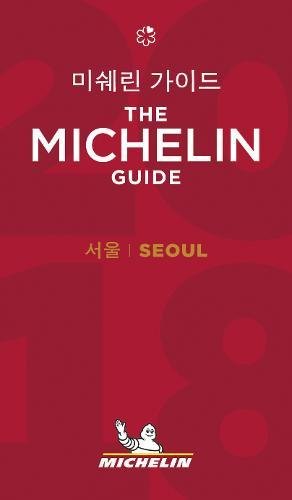
Michelin Guide Seoul has announced the new Bib Gourmand selection, ahead of the release of the 2018 Seoul guide next week. Of the 36 restaurants awarded the Bib last year, 31 retained their status while 17 new entrants made the updated list, making the total count to 48. Six new food categories debuted in this years Bib selection, including dwaeji-gukbap (pork soup), gomtang (beef soup), Korean contemporary, memil-guksu (buckwheat noodles), Taiwanese, udon and Vietnamese. This years selection showcases some of Koreas most beloved dishes as well as the growing diversity of Seouls dining scene. Take Mapo ok, for instance. The restaurant has been serving seolleongtang (beef soup) for close to 70 years since it opened up for business in 1949. Koreans love for soup and rice are definitely noticeable in this years selection as it also includes Hadongkwan, a legendary institution located in the heart of Seoul which serves what is considered the most sublime bowl of gomtang and rice in the city. Meanwhile, Okdongsik, the pioneer of a new genre of pork soup featuring a consomm-like clear broth and a generous heaping of thinly-sliced lean Berkshire K pork, also received a Bib nod. The 100 bowls of soup the restaurant serves each day sells out fast. Buckwheat noodles are another delicious and affordable Korean staple enjoyed by locals every day. New entrant Yangyang Memil Makguksu makes its noodles from scratch, to order, using 100% buckwheat flour. The freshly-made noodles are served Gangwondo style in chilled briny dongchimi (winter radish kimchi) water with plenty of crushed laver, sesame seeds and half a boiled egg. Mi Jin, another new entrant, serves Japanese zaru soba-style buckwheat noodles with noodles made daily in its own factory located below the restaurant. Mish Mash, categorized under Korean contemporary uses traditional ingredients like kimchi and fermented condiments to create innovative dishes that do not restrict themselves to a set genre
This post contains affiliate links. As an Amazon Associate I earn from qualifying purchases